


 © Šime Fabris
Natural Sites
NATURAL SITES
The lush Mediterranean landscape, the azure depths of the Adriatic, dramatic white sea cliffs, and the fragrant herbs that flourish across the region all form part of the natural heritage awaiting discovery in Dubrovnik and its surroundings. Visitors can also explore historic gardens, fascinating nature reserves, and an aquarium showcasing some of the Adriatic's most intriguing marine species.
As environmental awareness continues to grow, protecting nature and embracing sustainable living have become increasingly important. Dubrovnik takes great pride in its exceptionally well-preserved natural environment, from the pristine blue sea and rich biodiversity to its unique flora, fauna, and remarkable subterranean caves. A visit to Dubrovnik offers unforgettable experiences, whether enjoying the sparkling Adriatic, admiring spectacular sunsets, or exploring the region's extraordinary natural wonders.
Trsteno Arboretum
 © Zoran Marinović
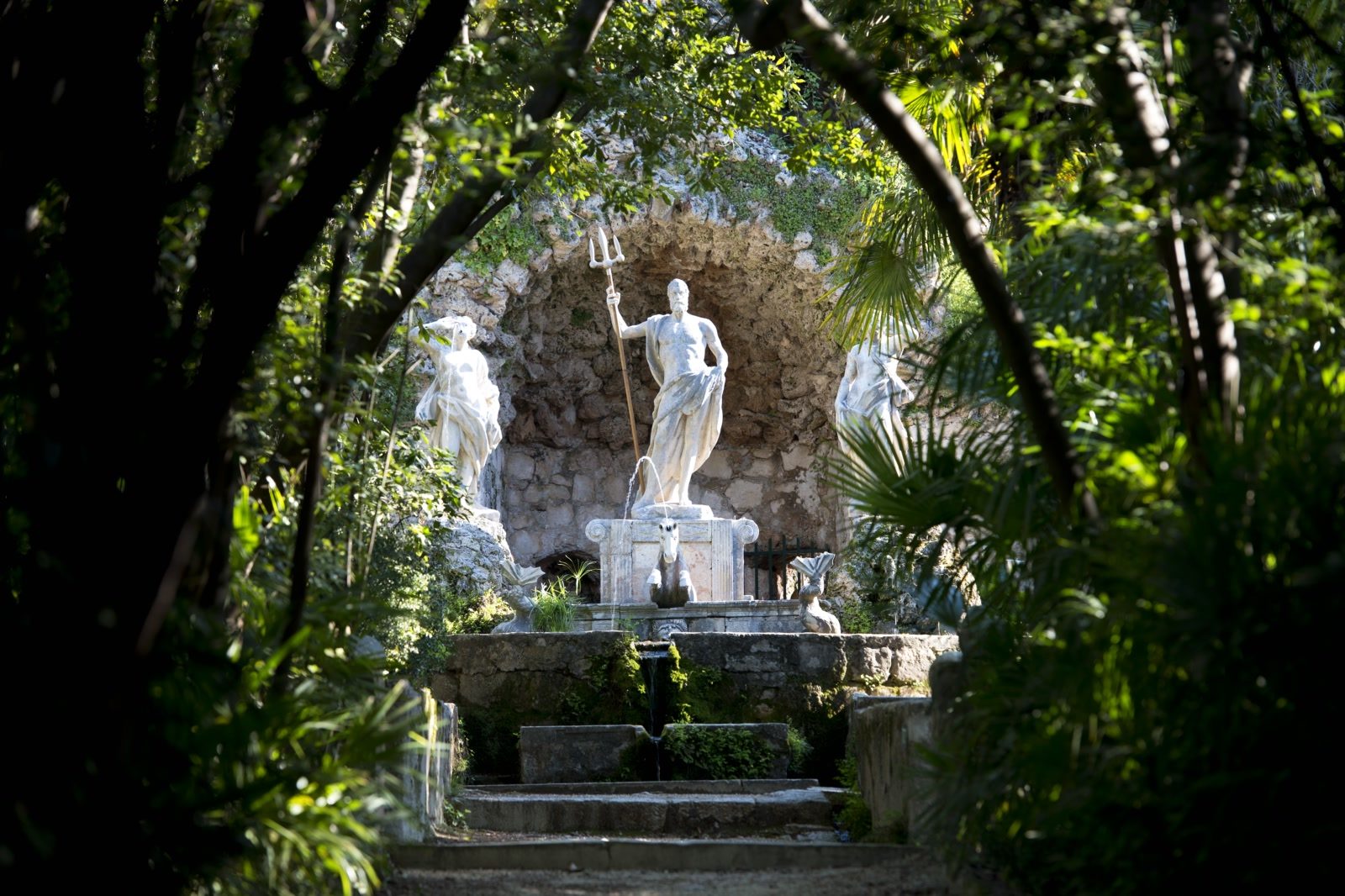
Over the Adriatic coast just outside Dubrovnik, Trsteno Arboretum is the only arboretum of its kind on the Croatian coast, seamlessly combining cultural heritage and natural beauty. Renowned for its historic gardens and impressive collection of Mediterranean and exotic plant species, it is one of the region's most treasured attractions. The arboretum is home to around 465 plant taxa belonging to 111 different families. The collection is largely concentrated within the Renaissance garden and features species from across the world. Mediterranean and European plants make up the largest share (31%), followed by Asian species (22%), while plants originating from the Americas account for 17% of the collection.
The Trsteno Arboretum was established in 1948 on the former summer estate of the noble Dubrovnik family Gučetić-Gozze, and is protected as a monument of landscape architecture. Covering 25.61 hectares (64 acres), it encompasses several distinct areas, including a beautifully preserved Renaissance garden and villa, a romantic early 20th century garden, and a historic olive grove. Beyond its cultivated landscapes, the arboretum also protects valuable natural habitats, including forests of downy oak, Aleppo pine and Mediterranean cypress, as well as areas of maquis shrubland and coastal vegetation. Together, these elements create a unique blend of history, horticulture and nature, making Trsteno Arboretum one of the most enchanting green spaces in the Dubrovnik region.
The arboretum is open every day, throughout the year:
- from May to October: 7 a.m. to 7 p.m.
- from November to April: 8 a.m. to 4 p.m.
Phone: +385 20 751 019
E-mail: arbor@hazu.hr
The Enchanting Elaphiti Islands – A Hidden Gem of the Adriatic
 © Šime Fabris
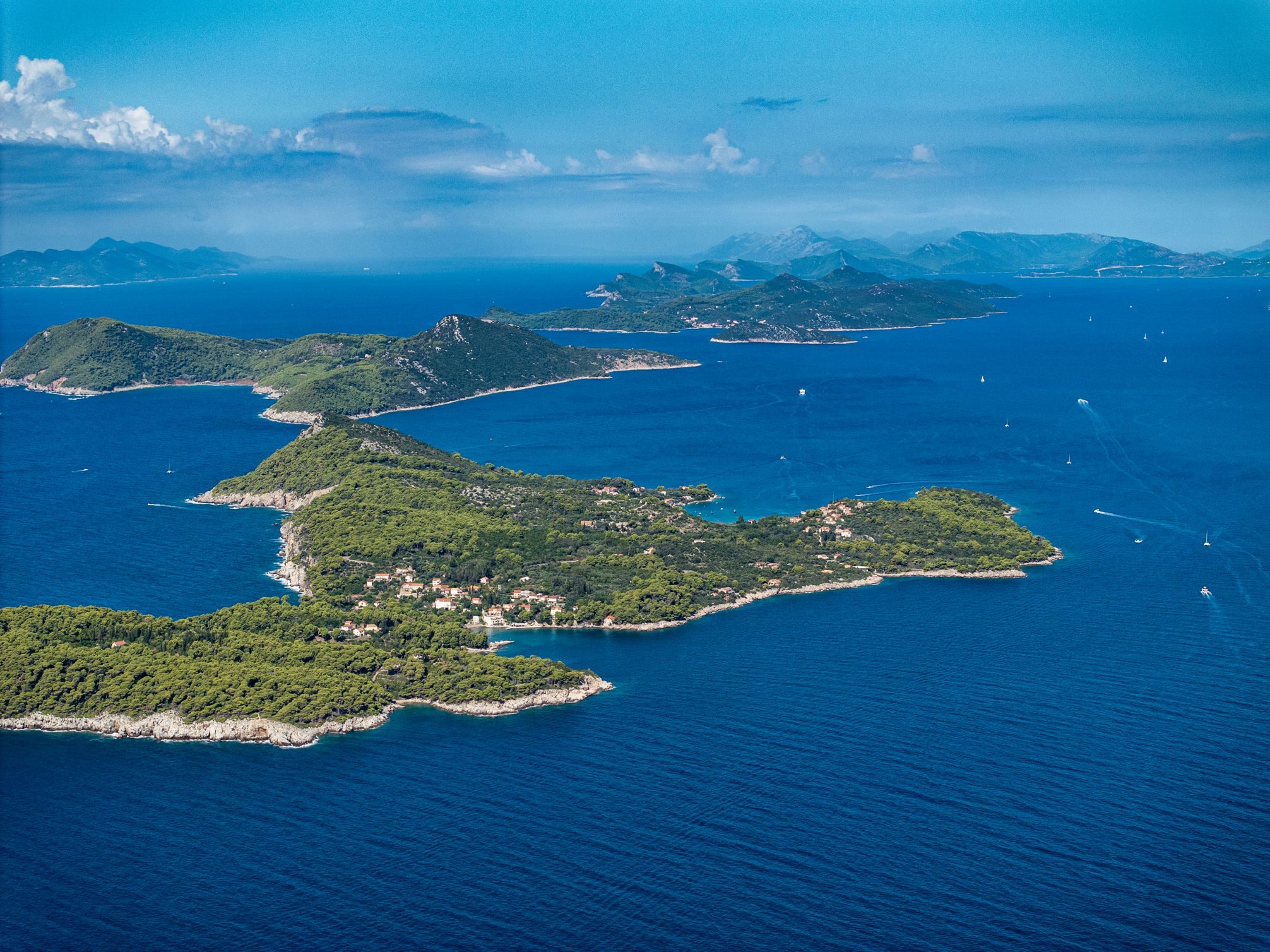
Scattered like emeralds across the turquoise waters of the Adriatic, the Elaphiti Islands offer a serene escape just off the coast of Dubrovnik. This small archipelago, consisting of thirteen islands, is a treasure trove of unspoiled nature, rich history, and Mediterranean charm. While only three of these islands — Lopud, Šipan, and Koločep — are inhabited, each boasts its own unique appeal, attracting visitors seeking tranquillity, adventure, and an authentic Dalmatian experience.
A short boat ride from Dubrovnik, the Elaphitis provide a refreshing contrast to the bustling city. Here, car-free streets, fragrant pine forests, and crystal-clear waters set the stage for a journey into an untouched world. Whether you're looking to bask on pristine beaches, explore centuries-old churches, or savour fresh seafood by the sea, these islands offer something for every traveler.
Lopud – The Island of Beaches and Botanical Beauty
 © Timotej Gošev
Getting There
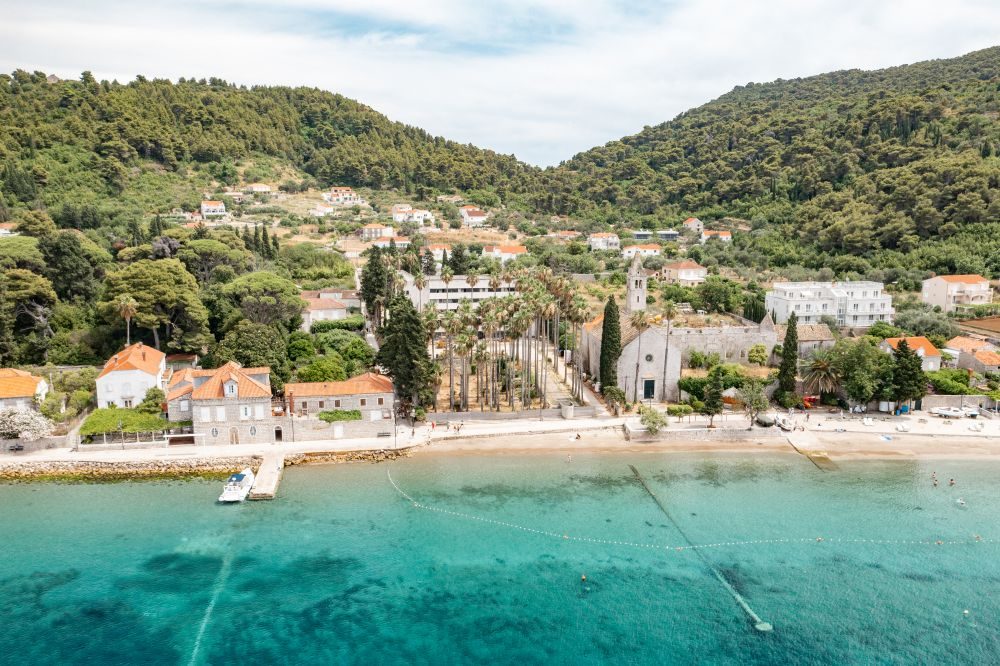
Lopud is the most visited of the Elaphiti Islands, easily accessible by ferry from Dubrovnik's Gruž Port. The journey takes around 50 minutes, with regular Jadrolinija and private boat services available.
Attractions and Activities
Lopud is best known for its stunning beaches, particularly Šunj Beach, one of the most beautiful sandy beaches in Croatia. Unlike the pebbly shores typical of the Adriatic, Šunj's soft golden sand and shallow waters make it perfect for families and those looking to wade into the sea without difficulty. The beach is about a 30-minute walk from the main village, but golf carts are available for those who prefer an easier journey. Beyond the beaches, Lopud boasts an impressive collection of historic sites. The Franciscan Monastery and Church of Our Lady of the Cave offer a glimpse into the island's religious heritage, while the recently restored Rector's Palace speak to Lopud's significance during the era of the Dubrovnik Republic. Strolling through the village, you'll find remnants of noble summer residences, testifying to the island's aristocratic past.
Nature and Outdoor Adventures
Lopud's lush greenery and extensive walking trails make it a paradise for nature lovers. The island is home to a diverse array of flora, including exotic plants in the Lopud Botanical Garden, established by former noble families. Hiking through pine forests and olive groves reveals breath-taking viewpoints overlooking the sea, perfect for those seeking a peaceful retreat into nature.
Food and Dining
When it comes to cuisine, Lopud delivers fresh Mediterranean flavours with traditional Dalmatian dishes, including grilled fish, black risotto, and octopus salad.
Top Tips – Arrive early to Šunj Beach to secure a great spot before it gets crowded.
Stay Sustainable – Support local businesses by dining at family-run restaurants and purchasing handmade souvenirs.
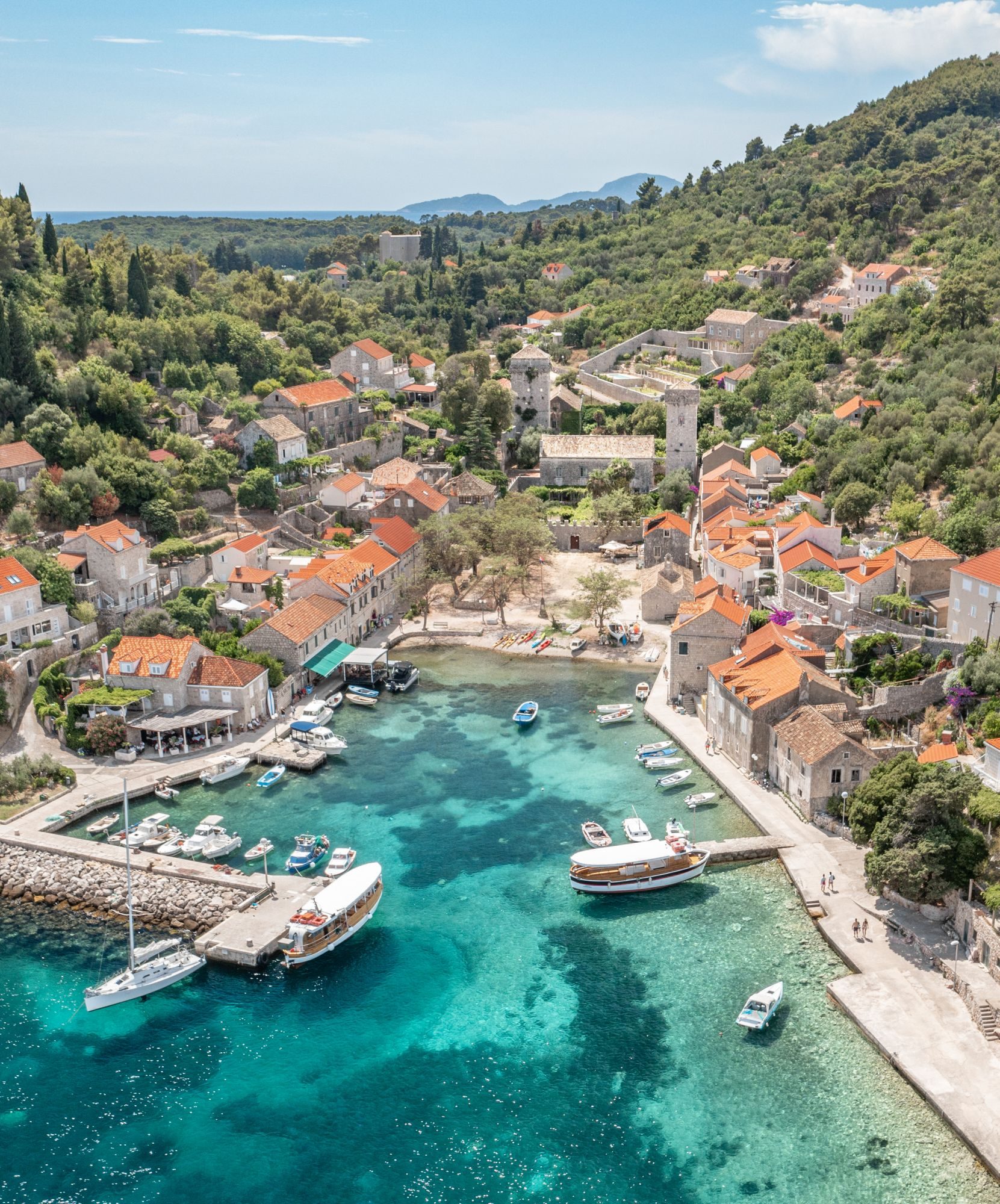
Šipan – The Largest and Most Tranquil Elaphiti Island
 © Timotej Gošev
Getting There
Šipan is the largest of the Elaphitis and is accessible by ferry from Dubrovnik in about an hour. The island has two main villages — Suđurađ and Šipanska Luka — both served by local boats and taxi services.
Attractions and Activities
Despite being the largest island in the archipelago, Šipan remains delightfully underdeveloped, making it the ideal spot for those seeking peace and quiet. The island is rich in history, with numerous churches, summer palaces, and historical estates. The Pakljena Tower, built in the 16th century to defend against pirates, stands as a silent witness to Šipan's past.
Šipanska Luka, the island's larger village, is a charming harbour town lined with stone houses and a picturesque waterfront promenade. The Church of St. Mary, dating back to the 11th century, is one of the island's most significant religious sites, showcasing medieval frescoes and impressive stonework.
Nature and Outdoor Adventures
For outdoor enthusiasts, Šipan offers scenic hiking and cycling trails through vineyards, olive groves, and citrus orchards. The island is known for its exceptionally fertile soil, producing some of the best olive oil in the region. A walk from Suđurađ to Šipanska Luka provides stunning coastal views, while more adventurous visitors can explore hidden coves by kayak.
Food and Dining
Šipan's culinary scene is a delight for seafood lovers. Exquisite dishes featuring locally sourced ingredients, from freshly caught fish to home-grown vegetables. Pair your meal with a glass of local wine, made from grapes grown on the island's sun-drenched slopes.
Top Tip – Rent a bicycle to explore the island's scenic countryside at your own pace.
Stay Sustainable – Respect the island's natural environment by staying on marked trails and not disturbing local wildlife.
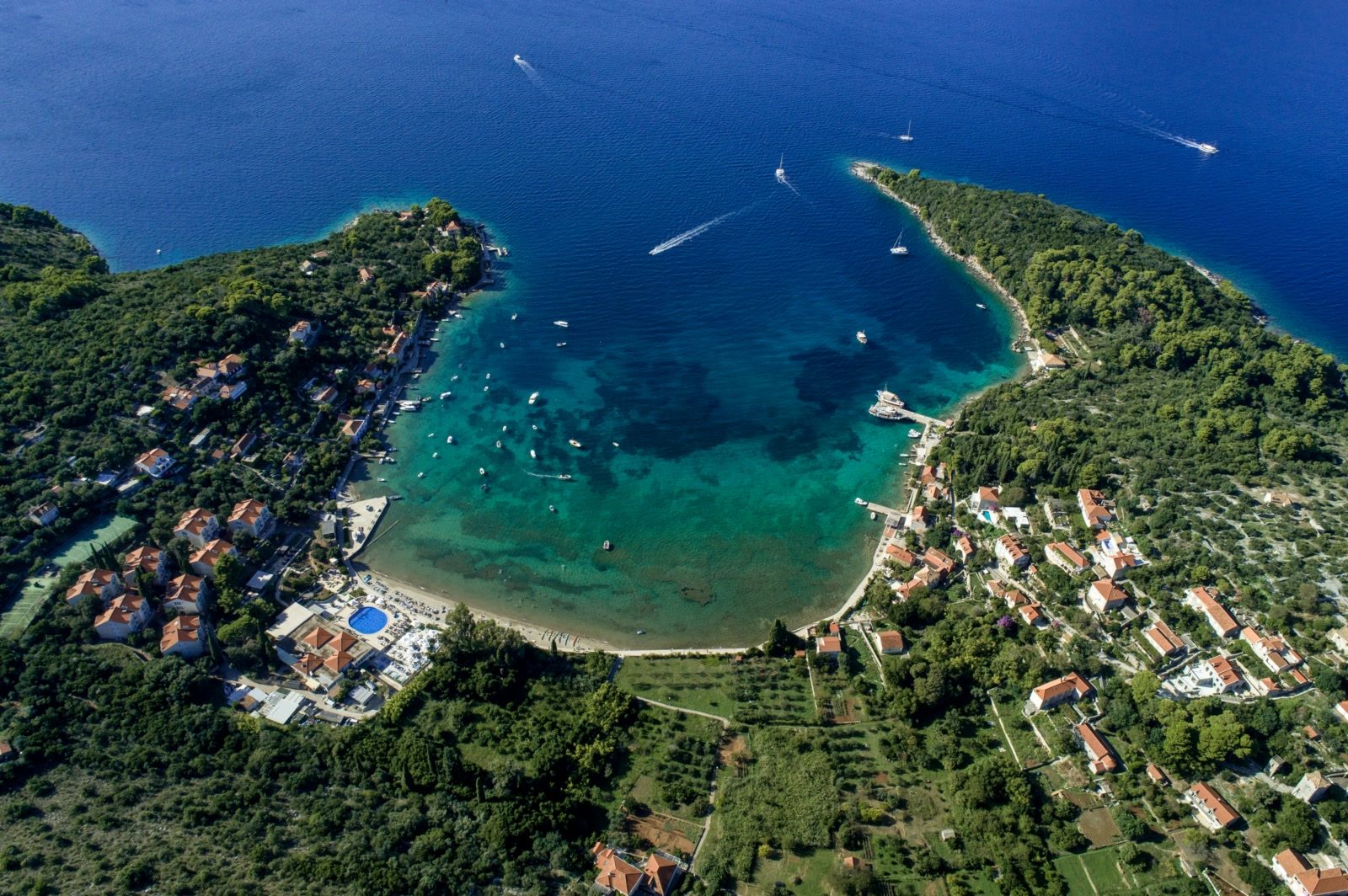
Koločep – The Closest Island Escape from Dubrovnik
 © Šime Fabris
Getting There
Koločep, the closest Elaphiti island to Dubrovnik, is just a 25-minute ferry ride from Gruž Port. The island, often referred to as Kalamota by locals, is the smallest of the three inhabited islands, making it perfect for a quick escape from the mainland.
Attractions and Activities
Despite its small size, Koločep is rich in history and natural beauty. The island is home to pre-Romanesque churches dating back to the 9th and 10th centuries, including St. Nicholas Church and St. Anthony's Church, both known for their intricate stone carvings. The Blue Cave, a mesmerizing sea grotto, is one of the island's highlights, accessible by boat.
Nature and Outdoor Adventures
Koločep is a haven for outdoor lovers. With no cars on the island, visitors can enjoy peaceful walks through pine forests and along scenic coastal trails. Donje Čelo and Gornje Čelo, the island's two small villages, are connected by footpaths winding through olive groves and citrus trees.
Snorkelling and diving are particularly popular around Koločep, thanks to the island's crystal-clear waters and fascinating underwater caves. Kayaking along the coast provides stunning views of dramatic cliffs and hidden beaches.
Food and Dining
Seafood takes centre stage on Koločep and given the island's close proximity to Dubrovnik, many chefs take pride in using locally sourced ingredients, creating an authentic taste of the Adriatic.
Top Tip – Bring snorkelling gear to explore the Blue Cave and nearby coves.
Stay Sustainable – Dispose of waste responsibly to keep Koločep's pristine environment intact.
The Elaphiti Islands offer an enchanting retreat from the modern world, each with its own unique charm. Lopud, with its stunning beaches and rich history; Šipan, a haven of tranquillity and culinary delights; and Koločep, an intimate escape perfect for nature lovers. Whether you're seeking adventure, relaxation, or a taste of authentic island life, these three gems of the Adriatic provide an unforgettable experience just a short journey from Dubrovnik.
Rijeka Dubrovačka
 © Raguž Lučić
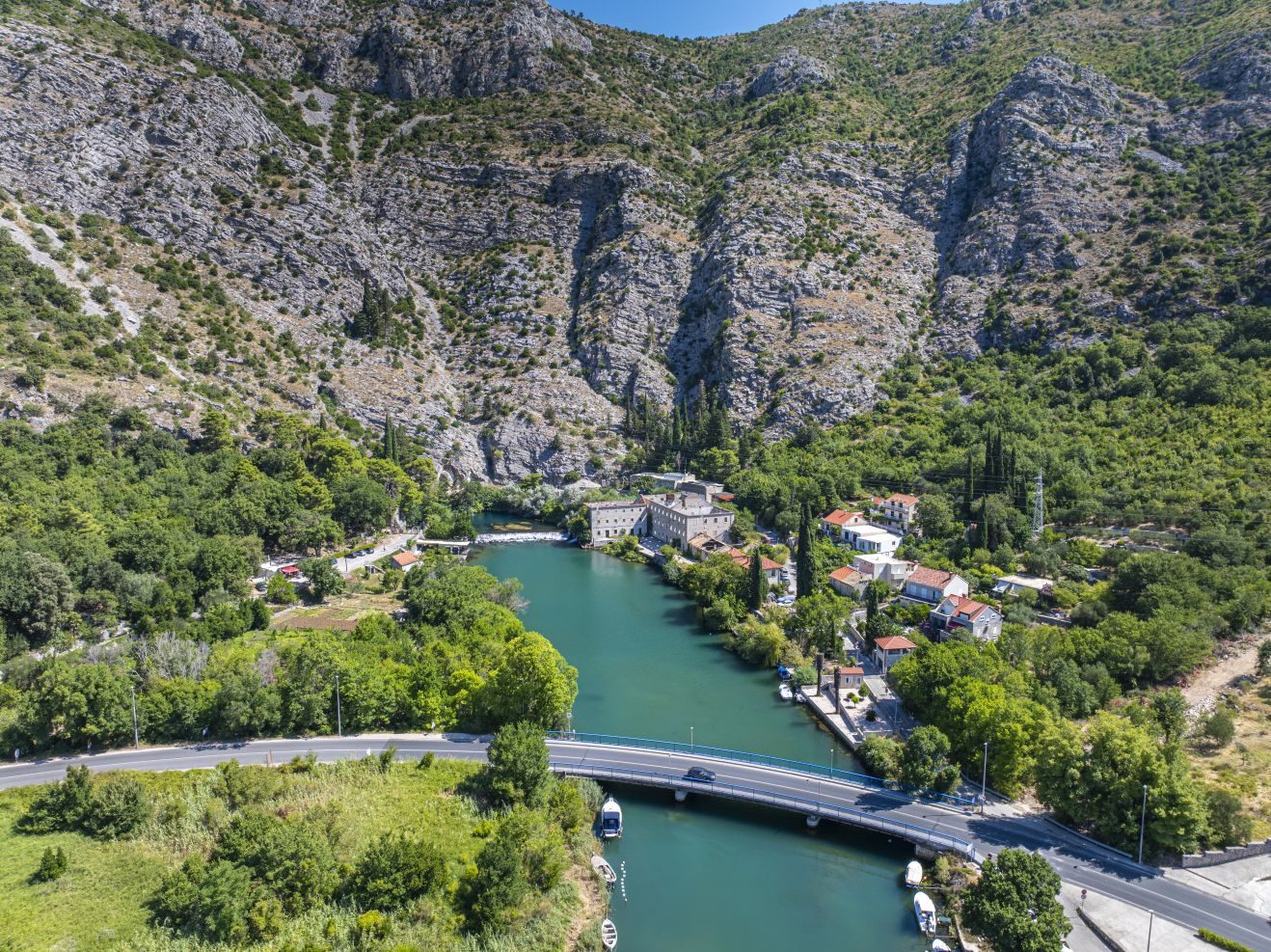
The mouth of the River Ombla lies at the western entrance to Dubrovnik. Upstream, around its source, several villages which make up Rijeka Dubrovačka are arrayed in a semicircle. This fjord-like valley is famous for several 15th and 16th century renaissance summer residences. One of the most prominent is the Sorkočević family summer residence housing the present-day Dubrovnik ACI Marina, which offers shelter to numerous Croatian and foreign boats in summer and in winter. Among the summer residences which the Dubrovnik aristocrats built in Rijeka Dubrovačka the Sorkočević summer residence with its beautiful garden and steps is the best preserved. Rijeka Dubrovačka abounds with bird species which live there, or which have only chosen the spring of the River Ombla for a resting post on their long journey. While enjoying your coffee by the Dubrovnik ACI Marina swimming pool, you will probably see ducks gliding on the green surface of the river. The entire area of Rijeka Dubrovačka has excellent regular bus connections with the Dubrovnik centre.
Lokrum Reserve
 © Igor Brautović
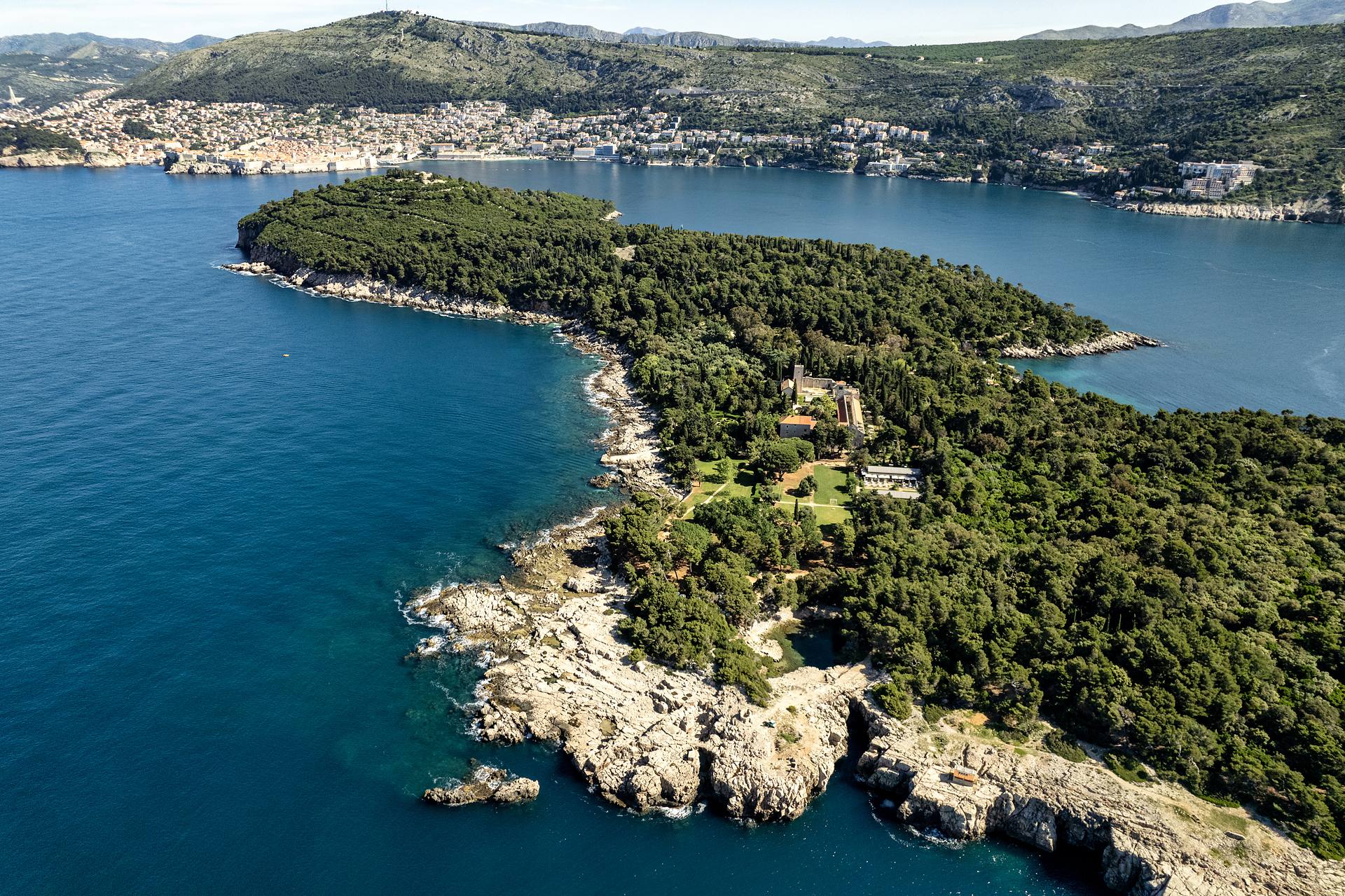
Just a ten-minute boat ride from Dubrovnik’s Old City harbour lies the island of Lokrum, a protected area designated as a Special Reserve of Forest Vegetation since 1948.
The Benedictine Monastery of St Mary is the island’s largest and most significant cultural monument. The earliest written record of the Benedictines’ arrival on Lokrum is the monastery’s founding charter, dating from 1023. Within the monastic complex are cloister gardens where plants were once cultivated for use at the altar, although above all these gardens provided a tranquil setting for contemplation, spiritual reflection and relaxation.
According to legend, Richard the Lionheart found refuge on Lokrum in 1192 after being shipwrecked while returning from the Crusades. He vowed that, should he survive, he would build a church on the spot where he reached land. His vow was ultimately fulfilled in a slightly different way. At the request of the people of Dubrovnik, Richard donated funds towards the continued construction of the city’s cathedral, while the citizens themselves honoured his vow by building a church on Lokrum.
Austrian Archduke Maximilian purchased Lokrum shortly after his first visit to Dubrovnik. He established his summer residence within the monastery complex, surrounding it with beautiful gardens and promenades. His arrival marked the beginning of a new era in the design and landscaping of Lokrum’s gardens and natural surroundings.
In 1959, a Botanical Garden was established on the island to study the introduction and adaptation of exotic plant species from tropical and subtropical regions to the local climate. Most of the plants are of Australian and American origin and were grown from seeds obtained through exchanges with botanical gardens around the world. Particularly noteworthy are the collections of eucalyptus, cacti and succulents.
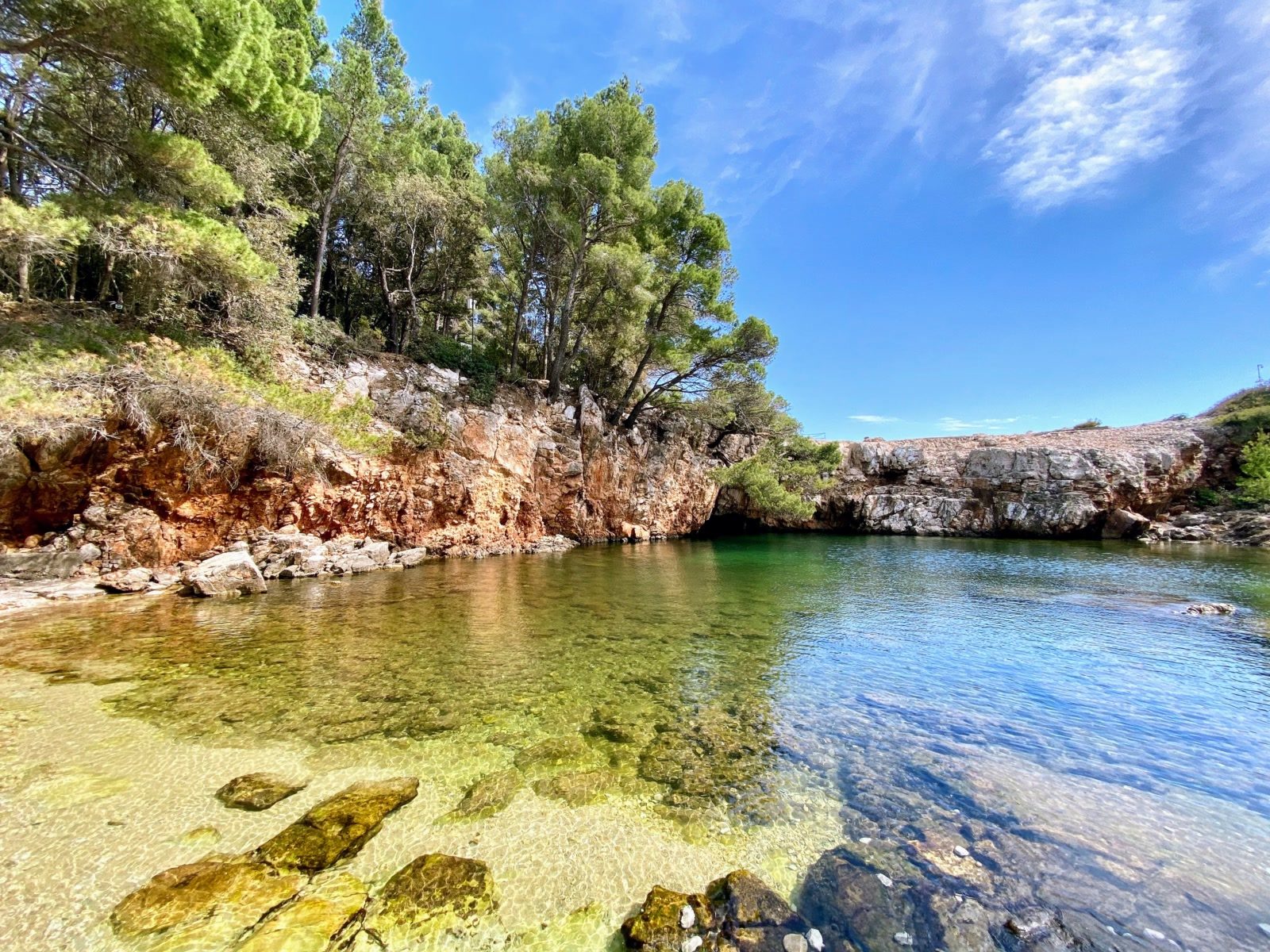
On the southern part of the island lies the Dead Sea, once a cave whose roof collapsed long ago, creating the small, lake-like pool seen today. Connected to the open sea by a channel approximately 15 metres long, its calm waters make it particularly suitable for children and less confident swimmers.
After taking control of the Dubrovnik region in 1806, the French quickly recognised Lokrum’s strategic importance. That same year, they began construction of Fort Royal on the island’s highest point, from where the maritime approaches to Dubrovnik could be monitored. Today, the fort offers magnificent views over Dubrovnik, Cavtat and the surrounding islands.
With its remarkable natural beauty, centuries of history and rich cultural heritage, Lokrum Reserve is an essential destination for anyone wishing to discover another side of Dubrovnik.
Email: info@lokrum.hr
Tel: +385 20 311-738
Website: lokrum.hr