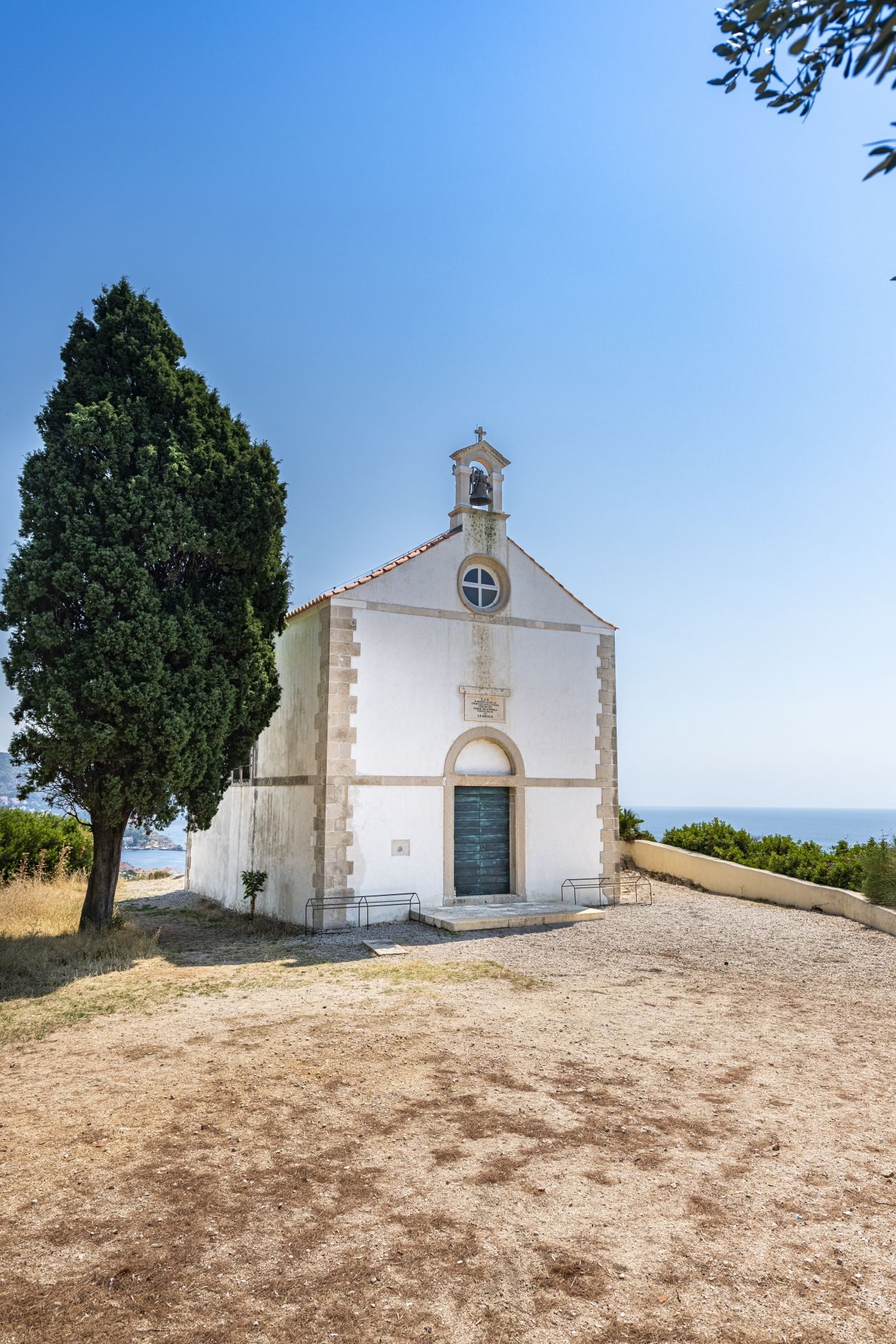


The Dominican Monastery took on its present form in the 14th century, blending seamlessly into the city walls, with which it also served as part of Dubrovnik's defensive system.
Due to the highly sensitive strategic position the Dominicans chose for their home, the construction of the complex, which began in 1228, was wholeheartedly supported by the Dubrovnik authorities.
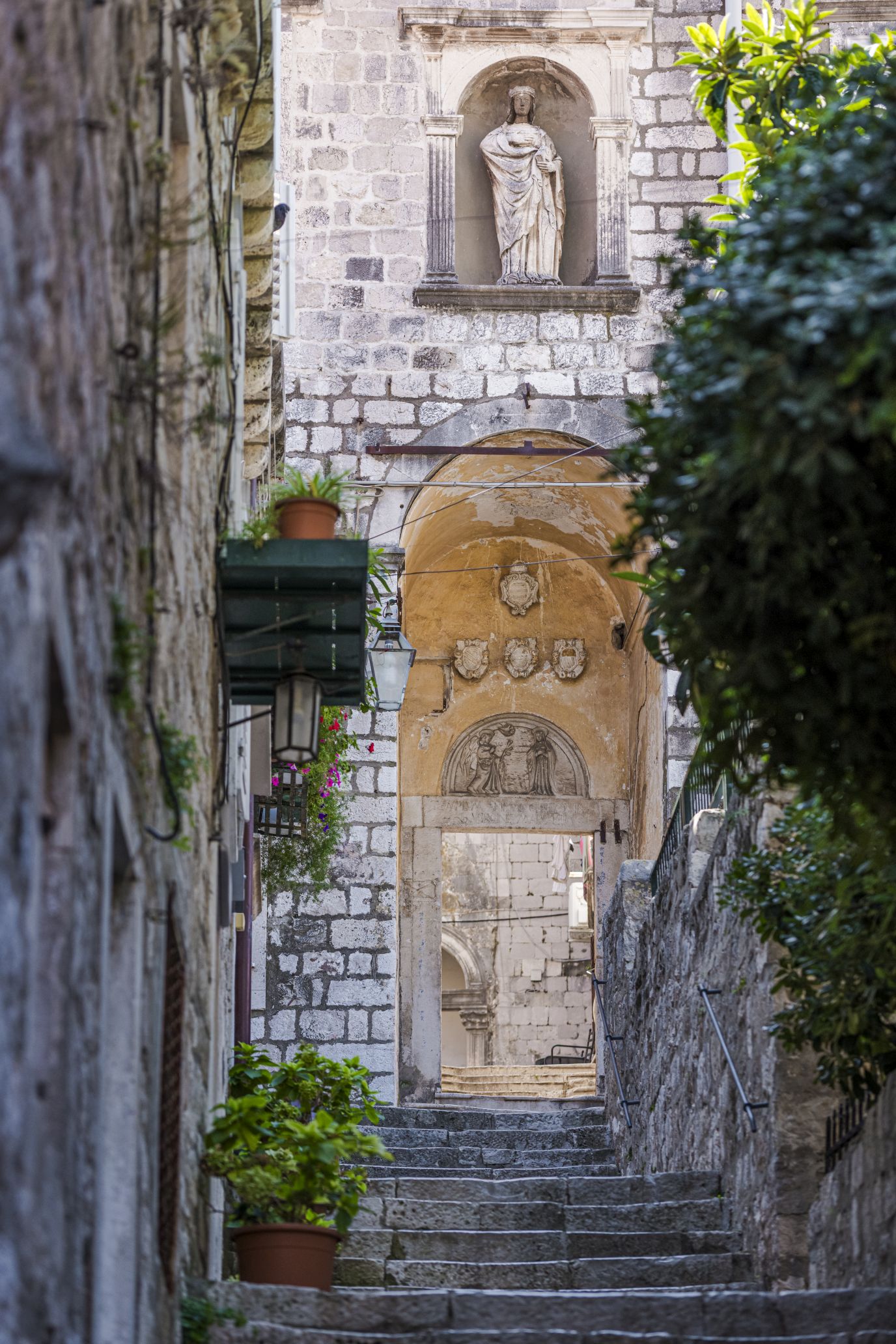
Elements of various styles—Romanesque, Gothic, Renaissance, and Baroque—intertwine here in perfect harmony. The church itself is one of the most representative Gothic interiors on the eastern Adriatic. In the 15th century, the addition of a sacristy, a chapter hall, and cloister arcades gave the monastery its final form.
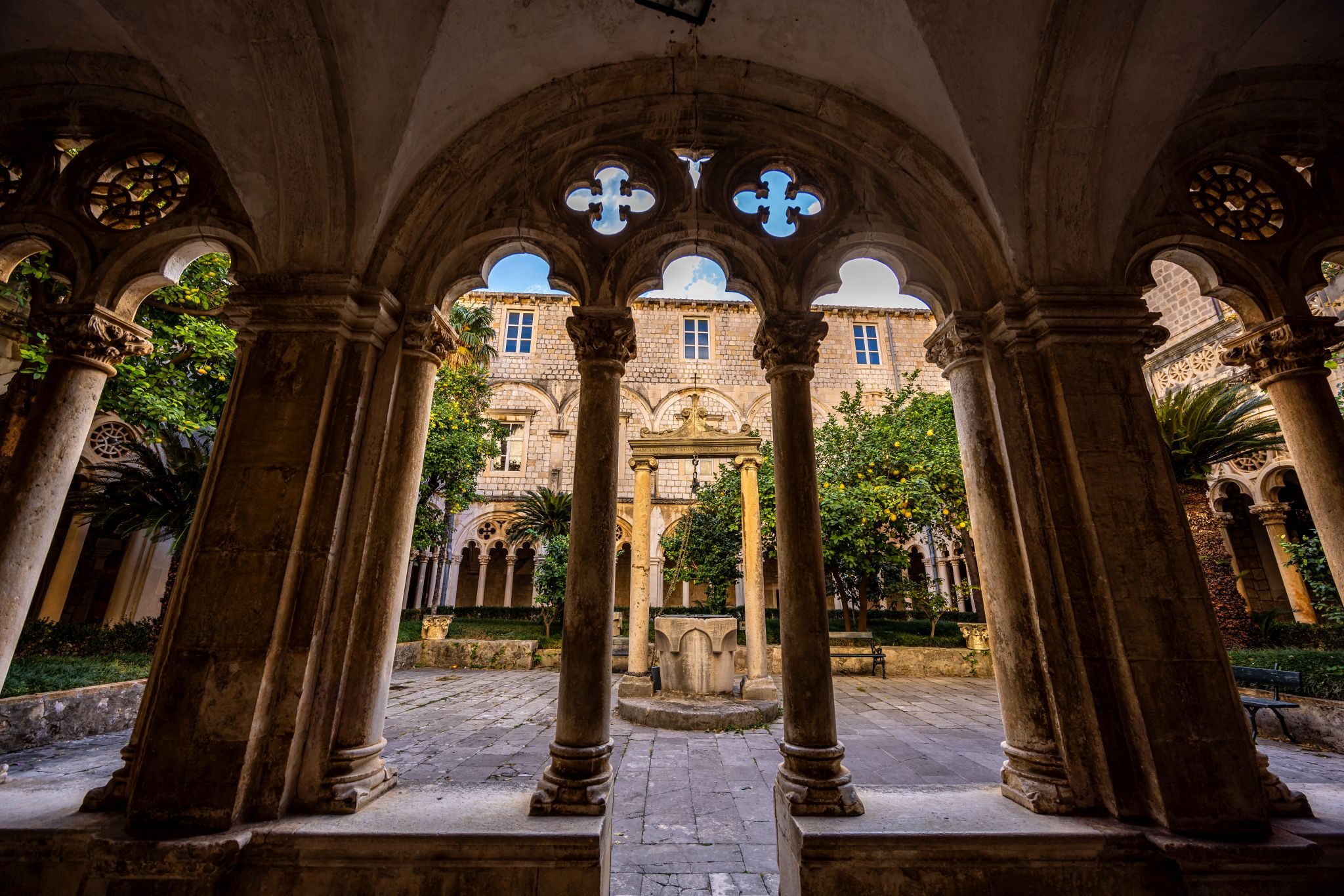
The exceptionally beautiful cloister arcades were built by local masters Utišenović, Grubačević, Radmanović, and others, based on the designs of Florentine architect Massa di Bartolomeo.
Its ornate courtyard has even served as a natural stage for poetry, once made magical when Michael York, leaning on the stone wellhead, recited Shakespeare's verses during a performance that enchanted both locals and visitors.
The sacristy also bears the mark of Paskoje Miličević, a renowned Dubrovnik builder. In gratitude, his name was inscribed on the church wall, where he now rests, alongside many other notable Dubrovnik citizens.
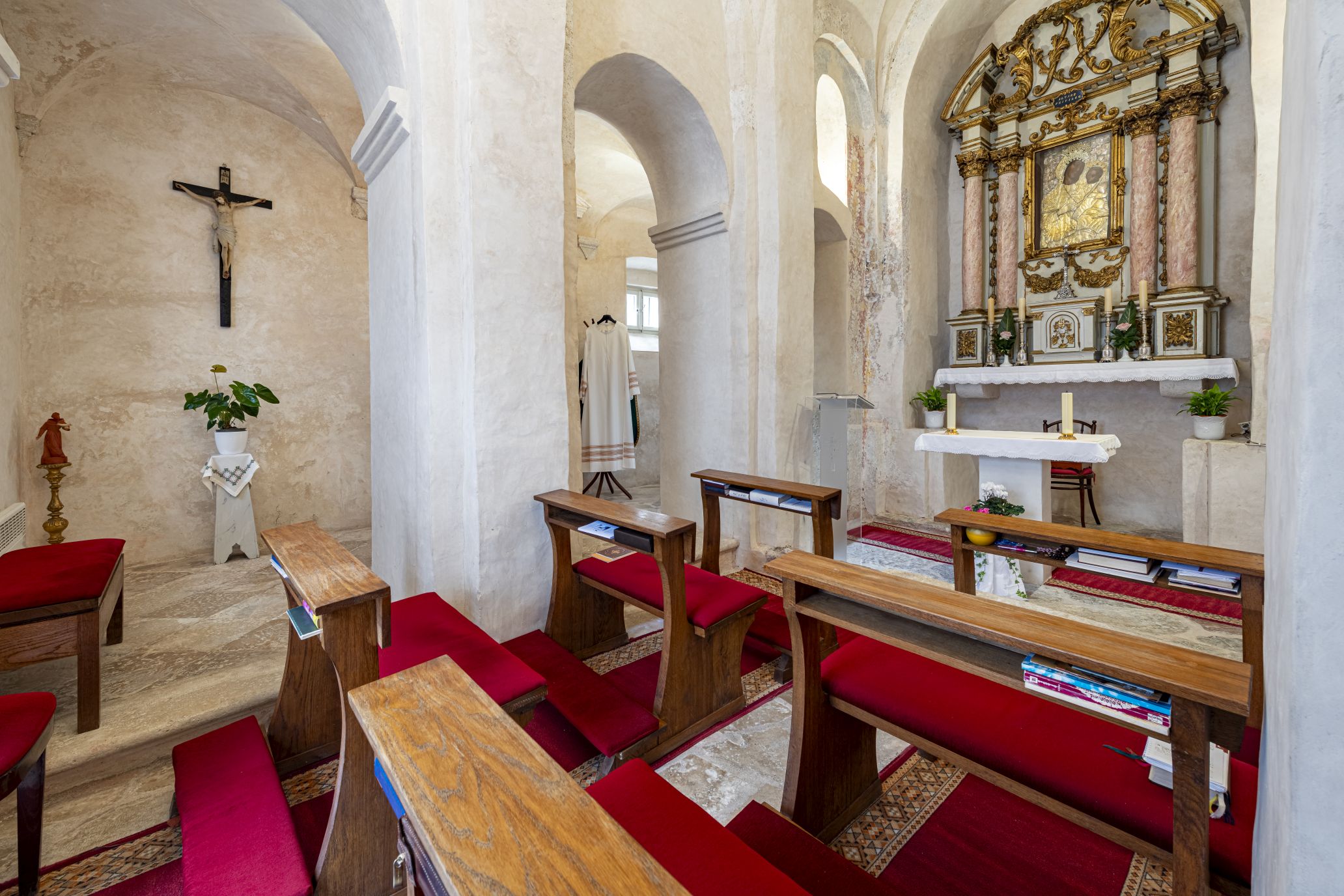
The Dominican Monastery houses priceless works from the 15th- and 16th-century Dubrovnik painting school. Among its most treasured pieces are the Polyptych by Lovro Dobričević, the Triptych by Mihajlo Hamzić, and paintings by Nikola Božidarević. A striking highlight is "The Miracle of St. Dominic", an altarpiece created in the early 20th century by Vlaho Bukovac, the celebrated painter from Cavtat.
Alongside Bukovac's work are paintings by contemporary Dubrovnik artist Ivo Dulčić. Foreign masterpieces include the large painted crucifix by Venetian painter Paolo Veneziano from the 14th century and the altarpiece of St. Mary Magdalene created by Titian and his assistants in 1550—both breath-taking in their beauty.
The rich library, with more than 220 incunabula, elaborately decorated manuscripts, and historical documents, is another precious feature of this remarkable architectural and artistic complex, which reveals its full magnificence when viewed from the city walls above.